

Brain Maker — Dr. David Perlmutter
Dr. Perlmutter’s Brain Maker opened my eyes to the connection between gut health and neurodevelopment, particularly in children with ASD. The book highlights how microbiome balance, inflammation, diet, and environmental factors influence behavior, cognition, and anxiety. In my work, I integrate these insights with trauma-informed, attachment-based, and nutritional strategies, empowering families to create environments that support holistic brain and emotional development.
Minding the Child — Nick Midgley & Ioanna Vrouva (2012)
I’ve found Minding the Child invaluable in understanding how mentalization—the ability to understand one’s own and others’ mental states—can transform therapeutic work with children and families. The book explores theory, clinical applications, and community interventions, offering practical insights into fostering emotional literacy and relational trust. In my work, I use these principles to support children with trauma or neurodevelopmental differences, helping them develop social understanding, resilience, and self-regulation.
When the Adults Change, Everything Changes — Paul Dix
This book reinforced for me that adult behavior is the key driver of meaningful change in children. Paul Dix emphasizes visible consistency, deliberate kindness, and restorative practices, and I integrate these concepts daily. Using tools like microscripts and recognition boards, I model calm, predictable responses that build trust, relational safety, and a supportive culture—both at home and in educational settings.
Building the Bonds of Attachment — Dan Hughes
Dan Hughes’ work on Dyadic Developmental Psychotherapy (DDP) has been instrumental in shaping how I support children where trauma and ASD intersect. Techniques such as Affective-Reflective Dialogue, Follow-Lead-Follow, Interactive Repair, and Deepening the Narrative help children feel safe, build emotional literacy, and create coherent self-narratives. Integrating these strategies alongside trauma-informed practice and Visual CBT has strengthened the outcomes I achieve with families.
Visual CBT — Avy Joseph & Maggie Chapman
Visual CBT has transformed the way I help children understand their thoughts, feelings, and behaviors. By using illustrations and visual exercises, children can distinguish healthy versus unhealthy emotional responses, challenge unhelpful beliefs, and practice emotional regulation. Techniques like thought mapping and “shame-attacking” exercises are particularly effective for neurodiverse learners, and I often combine them with mentalization strategies to enhance understanding and resilience.
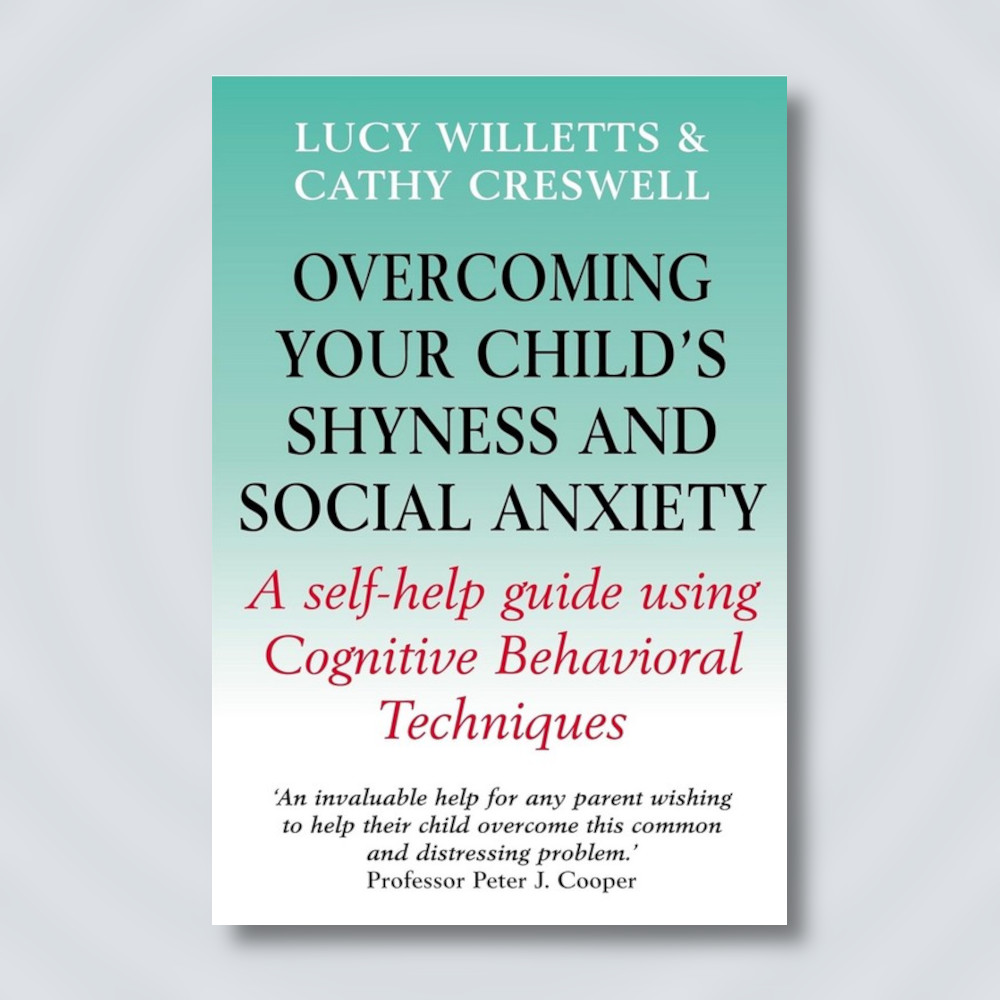
Overcoming Your Child’s Shyness and Social Anxiety — Lucy Willetts & Cathy Creswell
I frequently reference this book when supporting families with socially anxious or shy children. Its CBT-based strategies—cognitive restructuring, graded exposure, and skill-building—are practical and effective. I emphasize parental modeling in my practice through The Wholechild SENDCO, guiding parents to respond calmly, confidently, and solution-focused. This approach encourages children to gain confidence, while parents move away from self-blame and focus on small, achievable steps.
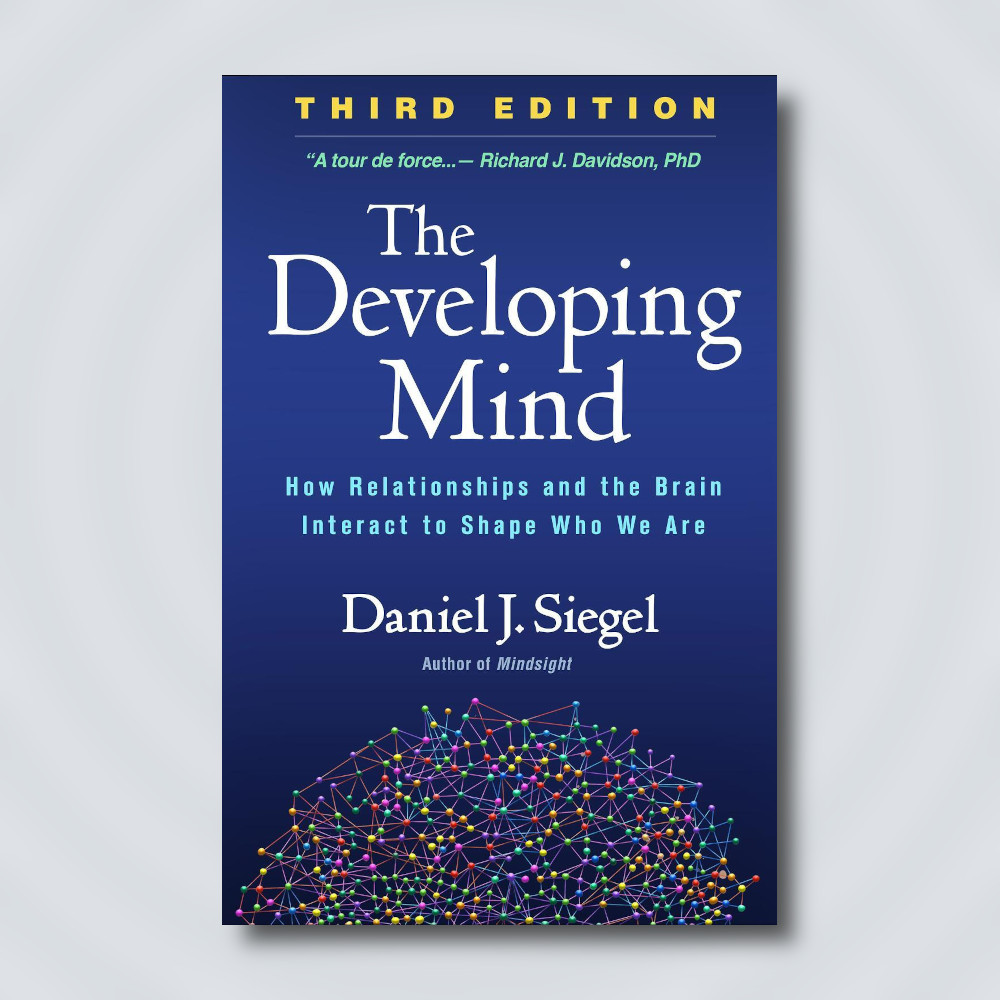
The Developing Mind, Third Edition — Daniel J. Siegel
I often refer to Siegel’s The Developing Mind because it shows how relationships shape the brain and mind. Early caregiver interactions influence emotional regulation, social functioning, and neural integration. Siegel’s concept of mindsight—the capacity to understand one’s own and others’ mental states—aligns perfectly with my work, helping parents model attuned, reflective responses. Using a solution-focused lens, I help families create supportive environments where children thrive emotionally, socially, and developmentally.
Draw on Your Emotions — Margot Sunderland & Nicky Armstrong
I use Draw on Your Emotions as a practical tool to help children express and understand their feelings through structured drawing exercises. The book provides a safe, creative way to explore emotions, even for children who find verbal communication challenging. Integrating these exercises into my work empowers families to foster emotional literacy, strengthen parent-child connections, and support children in developing resilience and self-awareness.